Foundation Contractor | Foundations & Framing
Northland Landscape & Construction Inc provides Foundation Contractor services that protect the structure you live or work in by creating a stable base that resists movement and supports long-term performance. Foundations carry the weight of the building and transfer those loads into the ground in a controlled way. When a foundation begins to crack, shift, or weaken, the structure above can show symptoms quickly, and those symptoms often get more expensive when they are ignored. For that reason, foundation work is not just another construction task. It is the work that determines whether everything above stays level, secure, and safe.
Many foundation problems develop slowly because soil and moisture conditions change over time. Freeze-thaw cycles, drainage issues, and seasonal soil movement can create stress along foundation walls and footings. Early warning signs include wall cracks, uneven or sloping floors, doors and windows that stick, and signs of water intrusion along basement walls. Some issues look minor at first, yet movement tends to continue when the root cause remains in place. A skilled Foundation Contractor focuses on that cause, not just the visible crack, so repairs actually improve stability instead of buying short-term time.
Planning matters whether you are evaluating an existing structure or starting new construction. Site conditions, structural load needs, and intended use all influence the right approach. Proper design, quality materials, and proven methods make the difference between a foundation that holds its line and one that keeps shifting. When the base is right, framing stays straighter, floors stay more level, and the building performs as intended in every season. Working with an experienced Foundation Contractor helps ensure the project starts with solid decisions and ends with lasting support.
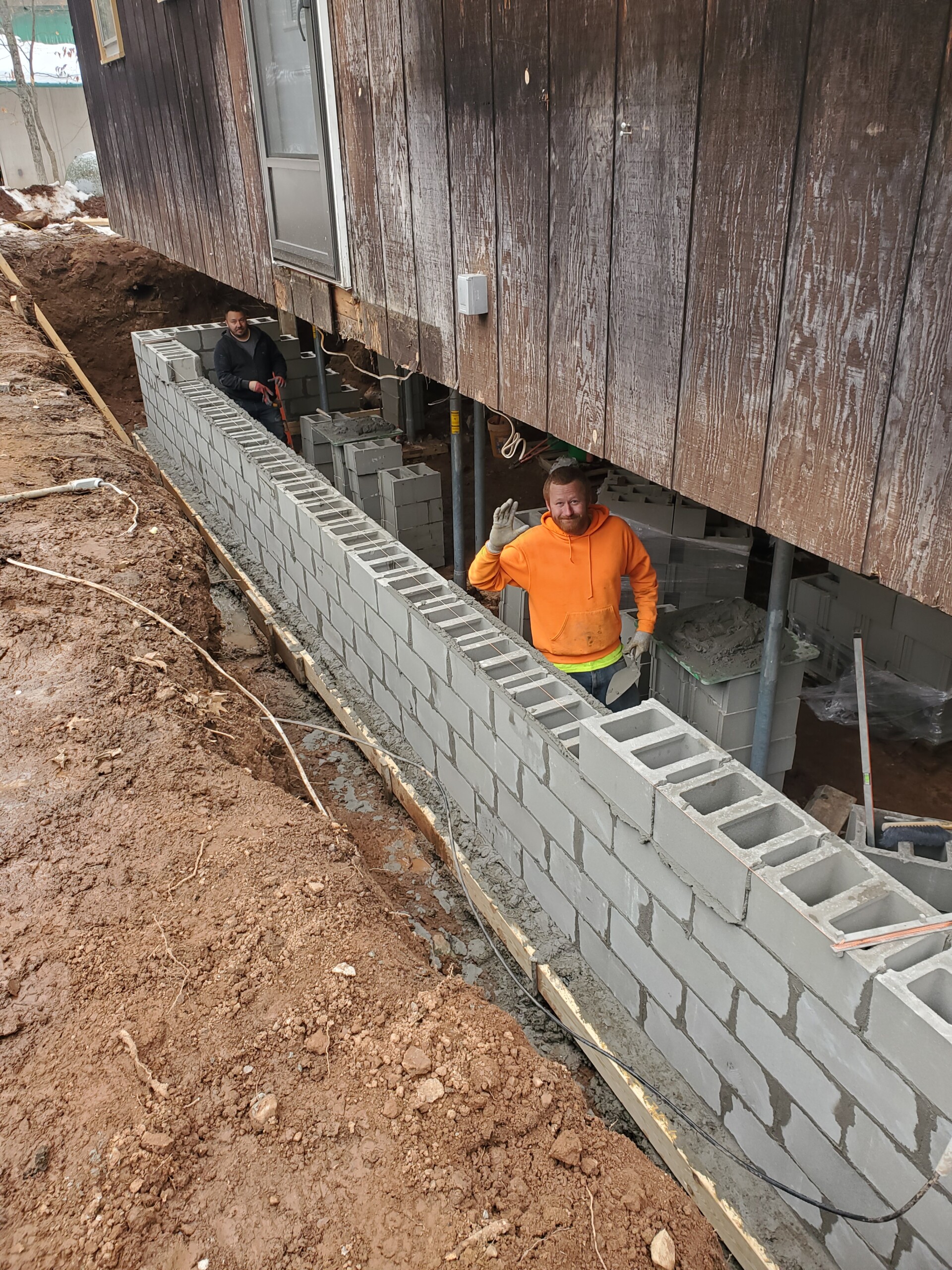
Foundation Contractor for Structural Stability and Support
Structural stability begins at the foundation, which is why the right contractor approach matters from day one. A Foundation Contractor looks at how loads move through the structure and how the ground will respond over time. Soil composition affects bearing capacity and movement. Moisture conditions influence expansion, contraction, and frost effects. Drainage patterns determine how much water collects near walls and footings. When these conditions get evaluated early, the foundation design can match the site instead of fighting it.
Foundation repair requires the same level of clarity. Cracks may result from settling, lateral pressure, drainage problems, or seasonal movement. Repairs that ignore the underlying pressure often fail to hold long term. A reliable Foundation Contractor identifies where movement is coming from, then chooses a repair strategy that improves stability and reduces future stress. That may involve reinforcing walls, addressing drainage, improving support, or correcting conditions that keep water near the structure. The goal is not only to make the foundation look better. The goal is to keep the building safe, level, and predictable.
Common Signs You May Need a Foundation Contractor
Many homeowners first notice foundation issues through changes inside the home. Floors may begin to slope or feel uneven underfoot. Doors and windows can start sticking as framing shifts. Drywall cracks may appear at corners or along ceiling lines. In basements, bowing walls, stair-step cracks, or moisture staining can signal pressure or movement behind the wall. Standing water or dampness after heavy rain can also point to drainage problems that increase long-term foundation stress. When these signs show up, a Foundation Contractor can help determine whether the issue is cosmetic or structural and what steps should happen next.
Wall cracking and movement patterns
Cracks tell a story when you evaluate their location, direction, and progression. Vertical cracks can occur from shrinkage or minor settlement, while diagonal or stair-step cracks may point to movement along a section of wall or footing. Bowing walls can indicate lateral pressure from saturated soils. Repeated patching without correcting movement often leads to recurring cracks. A Foundation Contractor looks for patterns and contributing factors so the repair plan addresses the real cause.
Water intrusion and moisture pressure
Moisture plays a major role in foundation performance. Poor grading, clogged drainage, and downspouts that discharge near the home can keep soils saturated. Saturated soil adds pressure to walls and increases freeze-thaw stress in cold climates. Moisture can also lead to interior issues like staining, mold risk, and material degradation. A Foundation Contractor will often evaluate drainage and water control because reducing moisture pressure helps protect any repair and improves long-term stability.
Choosing the Right Foundation for Your Structure
Selecting the correct foundation is one of the most important decisions in any construction project, and a skilled Foundation Contractor considers both structural needs and site conditions before recommending a solution. Soil type affects how loads distribute. Moisture levels influence movement and pressure. Local climate impacts frost depth and seasonal shifts. Intended use matters as well, since a heated home, a garage, and a light commercial structure may have different load and performance requirements. The best choice is the one that fits the site and supports the building efficiently over the long term.
Different properties require different foundation solutions. Sites with shifting soil or high moisture may need added reinforcement, improved drainage planning, or wall systems designed for higher lateral load. Other sites may allow simpler designs when soils are stable and water control is straightforward. Careful planning at this stage helps prevent future issues such as cracking, settling, and water intrusion. A proactive Foundation Contractor treats this step as risk management because the right design reduces future repair costs and improves building performance.
Common Foundation Types
Several foundation systems are used for residential and commercial construction, and each option offers benefits depending on structural needs and environmental conditions. A Foundation Contractor will select a system based on load demands, site constraints, insulation goals, and budget. Choosing the right system also supports better framing alignment, more predictable settling, and stronger long-term performance.
Concrete block foundations
Concrete block foundations remain a common option because they provide a durable wall system that can work well with proper reinforcement and moisture control. Reinforced block walls can handle significant loads, and they allow flexibility in design. Performance depends heavily on good footing preparation, correct reinforcement placement, and reliable drainage around the foundation. With solid installation, block foundations can support long-term stability and consistent performance.
Poured concrete foundations
Poured concrete delivers a monolithic wall that can offer strong resistance to pressure and good structural performance. Proper formwork, reinforcement, and curing practices help ensure strength and consistent wall quality. Poured walls also pair well with water control strategies and can support long-term durability in harsh climates. A Foundation Contractor will often recommend poured concrete when strength, uniformity, and long-term reliability are priorities.
Concrete panels and wall systems
Concrete panels and preformed wall systems can provide faster installation and consistent manufacturing quality. These systems may work well on certain sites and can offer reliable performance when installed with correct connections and footing support. Proper sealing and drainage remain important because water management affects every foundation system. A Foundation Contractor can help determine when panels make sense based on site access, schedule needs, and structural requirements.
ICF walls and insulated foundation options
Below-grade ICF walls provide insulation along with structural strength, which can improve comfort and energy performance in finished lower levels. These systems use insulated forms filled with concrete, creating a strong wall with continuous insulation. When installed correctly, ICF foundations can support long-term durability and moisture resistance. A Foundation Contractor may recommend ICF options when insulation goals, performance, and structural strength all matter for the project.
Slab-on-grade foundations
Some projects do not require a full foundation wall system. For single-level structures, slab-on-grade foundations can provide a durable and efficient solution. Proper base preparation, reinforcement planning, and control joint placement help the slab resist cracking and stay stable. Frost-protected designs can also be considered when climate conditions require it. A Foundation Contractor will evaluate the structure, site, and intended use to confirm whether slab-on-grade is the best fit.
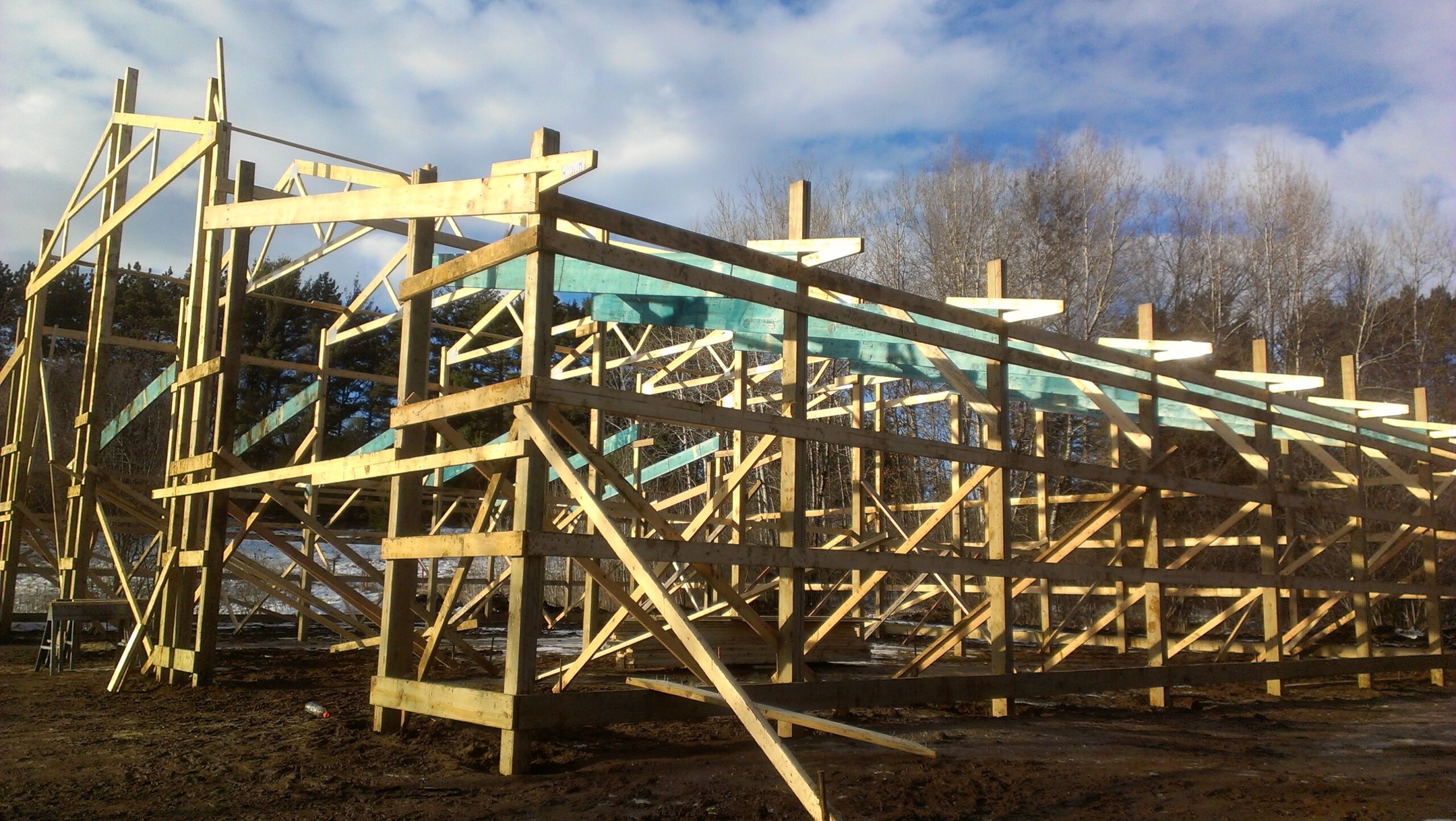
Foundations and Framing Work Together
Foundation quality affects framing from the moment construction begins. A level, square foundation makes it easier to frame walls, set trusses, and keep openings consistent. When the base is out of level or shifting, framing problems show up in the form of uneven floors, difficult drywall finishing, and doors that do not operate smoothly. A Foundation Contractor who understands how the structure comes together will plan for accuracy and stability so the rest of the build stays cleaner and more predictable.
Load paths and long-term performance
Every structure relies on clear load paths from roof to foundation. When those paths stay aligned, the building performs better and experiences fewer stress points over time. Good foundation design supports consistent load transfer, while proper water control helps reduce ground movement that can alter load distribution. A Foundation Contractor accounts for these realities by focusing on stability, reinforcement, and drainage planning instead of treating the foundation as a standalone element.
What to Expect From a Professional Foundation Contractor
A professional approach starts with evaluating the structure and the site. That evaluation includes visible symptoms, likely causes, and the conditions around the foundation that affect long-term performance. For new construction, planning focuses on soil conditions, drainage strategy, and the foundation type that best fits the project. For repairs, the plan focuses on stabilizing the structure and reducing the forces that caused the issue. Clear communication matters throughout because timelines, access, and sequencing affect how the work progresses.
Whether you are planning new construction or addressing signs of movement, Northland Landscape & Construction Inc can help with Foundation Contractor services that protect your investment and improve long-term stability. Solid design, quality materials, and disciplined installation practices create structural support that lasts. Contact Northland Landscape & Construction Inc today to discuss your project and get started.
FOUNDATIONS & FRAMING IMAGE GALLERY