Concrete Installation | Patios, Driveways, Sidewalks & Foundations
Northland Landscape & Construction Inc provides Concrete Installation that gives your property the hard, stable surfaces it needs for daily use. Driveways, sidewalks, stoops, and foundations take constant wear and need a material that handles weight, weather, and long-term use. Clean lines and consistent finishing also improve curb appeal because the surfaces look intentional instead of patched together. In cold climates, small details matter even more because freeze and thaw cycles expose weak spots quickly.
Concrete performs best when the whole system is planned correctly from the start. Mix design affects strength and workability. Base preparation controls settlement and seasonal movement. Reinforcement helps resist stress and supports edges under load. Joint layout guides shrinkage so cracks form in predictable locations. Drainage keeps water from pooling on top or saturating the base below. Curing builds long-term strength and helps prevent scaling. When crews manage each step with discipline, Concrete Installation delivers a surface that lasts longer and looks more consistent.
Modern mixes combine Portland cement, water, and aggregate such as sand and rock, then rely on precise proportions to match the job. Contractors may add admixtures to improve workability, support air entrainment for freeze-thaw durability, or manage set time when temperatures swing. Materials alone do not guarantee strength because placement and finishing still control the outcome. Added water weakens the surface layer. Poor consolidation leaves voids that invite cracking. Early finishing can trap bleed water, while late finishing can tear the surface and leave marks. A disciplined Concrete Installation plan selects the right mix and then executes placement, finishing, and curing with consistent timing.
Concrete Installation Overview
Concrete Installation supports many of the most important surfaces around a home. Driveways need strength for vehicle traffic. Walkways need safe footing and smooth transitions. Patios need comfort, drainage, and a finish that holds up to weather exposure. Foundations and slabs need long-term stability because the structure depends on them. Each use puts different demands on the material, so the installation method should match the purpose of the surface instead of treating every pour the same.
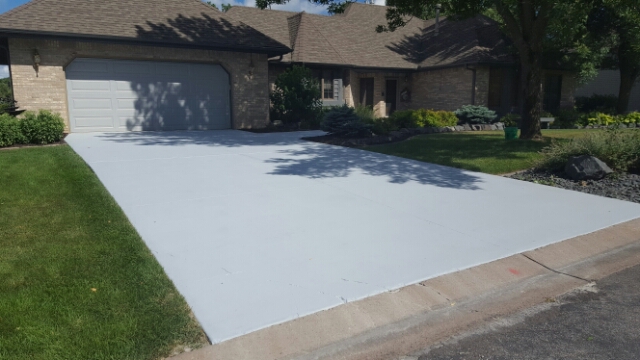
That is why layout, slope, base work, reinforcement, and curing all matter so much. A slab may look simple on the surface, but long-term performance depends on what happens underneath and during the early stages of the pour. When the design fits the use and the process stays disciplined, the finished surface performs better, looks cleaner, and holds up more consistently over time.
Concrete Installation for Residential Properties
Residential Concrete Installation commonly includes driveways, patios, sidewalks, entry stoops, garage slabs, and pads for sheds or equipment. Each surface has a different job, so the design should match real use instead of treating every slab the same. Driveways need thickness and base stability because they handle vehicle loads and turning forces. Walkways need traction and smooth transitions because people notice uneven joints right away. Patios need comfort and clean drainage because puddles near doors create mess in summer and ice in winter. When the layout and base support real routines, the finished work feels like a natural upgrade rather than a quick patch.
Layout and drainage planning
Water decides how long a slab lasts, so planning should start with runoff and slope. Proper pitch sheds water away from the home and away from areas that collect ice. Form lines control edges and elevations, which makes accurate setup important for both performance and appearance. Transitions at garage doors, sidewalks, stoops, and steps also need attention because awkward connections trap water and create weak points. A well-planned Concrete Installation layout directs runoff to safer paths and helps protect the base from saturation.
Base preparation and compaction
The base carries the slab, so base quality matters as much as the mix itself. Crews remove organic material and soft soils so the slab rests on stable ground. Granular base material then goes in and gets compacted in lifts to reduce settlement and panel movement. Loose base material shifts, and shifting drives cracking, rocking panels, and uneven edges. In freeze-prone regions, proper base work matters even more because frost heave lifts weak slabs and creates trip hazards. Strong base preparation also improves finish quality since the surface stays uniform while the crew works.
Reinforcement and joint control
Crack control starts with a plan because concrete shrinks as it cures. Reinforcement helps manage movement and supports edges and corners under stress. Depending on the surface, contractors may use rebar, wire mesh, or fiber reinforcement to add stability. Control joints play an equally important role because they guide cracking into straight, predictable lines. Joint spacing should match slab thickness and layout shape, especially on long runs like driveways and sidewalks. With smart reinforcement and joint planning, Concrete Installation keeps movement controlled and the finished surface looks cleaner over time.
Concrete Lifespan, Durability, and Failure Causes
Concrete can last for decades, but lifespan depends on installation quality, maintenance habits, and exposure to moisture and temperature swings. Cold climates add stress through freeze-thaw cycles because moisture enters small pores and hairline cracks, then expands when it freezes. Deicing salts and chlorides can accelerate surface wear because they pull moisture into the slab and contribute to surface breakdown. Heavy loads can shorten lifespan when the base lacks stability or the slab thickness does not match the use. Long-term durability improves when Concrete Installation includes drainage planning and when homeowners avoid practices that keep the slab wet for long stretches.
Moisture intrusion and freeze-thaw pressure
Freeze-thaw damage often starts small and grows over time. Moisture works into pores, edges, and minor cracks during wet weather or snowmelt. Once temperatures drop, trapped moisture freezes and expands, which pushes the slab apart little by little. Scaling, surface popping, and widening cracks can follow after repeated cycles. Contractors reduce this risk through proper air entrainment, careful finish timing, and a curing plan that protects the surface while it gains strength. Better drainage also helps because a drier surface experiences less internal pressure during cold snaps.
Drainage failures, settlement, and heaving
Drainage issues cause many concrete problems, even on newer work. Poor slope traps water on the surface and increases ice risk and staining. Saturated soils under the slab move more and compact unevenly, which leads to settlement and cracked panels. Water can also erode base material and create voids, and voids cause panels to rock or drop. Low spots, widening joints, and lifted edges are common warning signs. Replacement usually makes more sense when base and drainage failures drive the damage because the fix requires rebuilding the system under the slab.
Finishing mistakes and surface scaling
Surface scaling often traces back to finishing and curing decisions. Added water in the mix can weaken the top layer, especially if crews use it to make placement easier. Finishing while bleed water sits on the surface can trap moisture and reduce surface strength. Overworking the surface can create a weak skin that flakes during winter cycles. Curing protects the slab while it gains strength, so skipping cure steps increases the risk of early wear. A disciplined Concrete Installation process avoids those pitfalls by controlling water content, watching finish timing, and protecting the slab during the early days.
Concrete Replacement and Finish Options
Replacement becomes the best option when a slab no longer supports safe use or when repairs keep failing. Many problems start below the surface, so patching cannot fix a weak base, a bad slope, or long-term soil movement. Full replacement allows removal of old material, evaluation of the subgrade, base rebuild, and drainage correction in one scope. That rebuild restores function and improves appearance with a clean, consistent surface. Replacement also gives you a chance to correct transitions at doors, steps, and garage edges so the new work drains better and feels more intentional.
Removal, evaluation, and base rebuild
Quality replacement starts with clean demolition and responsible haul-off, plus protection for landscaping and nearby structures. Once the old slab is gone, the subgrade becomes visible, which helps reveal soft soils, erosion, or failed base material. Crews can then rebuild the base with granular material and compact it in lifts to reduce settlement risk. Grade adjustments during this phase matter because slope controls runoff and protects the slab from standing water. That base rebuild often delivers the biggest long-term improvement since it fixes the root cause of many failures.
Finish options that match function
Finish choices should match how the surface will be used. Broom finishes add traction and work well for driveways, sidewalks, and entry areas. Trowel finishes can look smooth and clean in protected spaces, although exterior traction still matters during wet weather. Stamped concrete adds pattern and texture for patios and outdoor living areas, and it can include borders that help define the space. Color options can complement the home and landscape, especially when the patio sits close to siding and trim. Even without decorative work, clean edges, straight joint lines, and consistent texture make Concrete Installation look professional.
Driveways Built for Daily Use
Driveways take constant abuse, so they demand careful design and execution. Vehicle loads create stress at tire contact points, and turning forces push pressure into corners. Snow removal can scrape edges and expose weak spots, while salts and sand add chemical and abrasion stress through winter months. A durable driveway starts with correct thickness, a compacted base, and slope that moves water away from the garage and home. Clean transitions at the garage and street also matter because those areas see frequent contact and movement. With proper planning, Concrete Installation produces a driveway that feels solid underfoot and holds up through harsh seasons.
Edges, corners, and joint layout
Edges and corners often fail first because they take concentrated loads and repeated impacts. Tight turns push stress into corners, while thin edges chip and crack easier. Reinforcement and proper thickness help protect these areas, and joint layout helps control movement at high-stress zones. Joints near garage doors and apron transitions also guide cracking into predictable lines. When crews handle the details well, the driveway keeps a cleaner look and performs longer under daily traffic.
Concrete Patios That Expand Outdoor Living
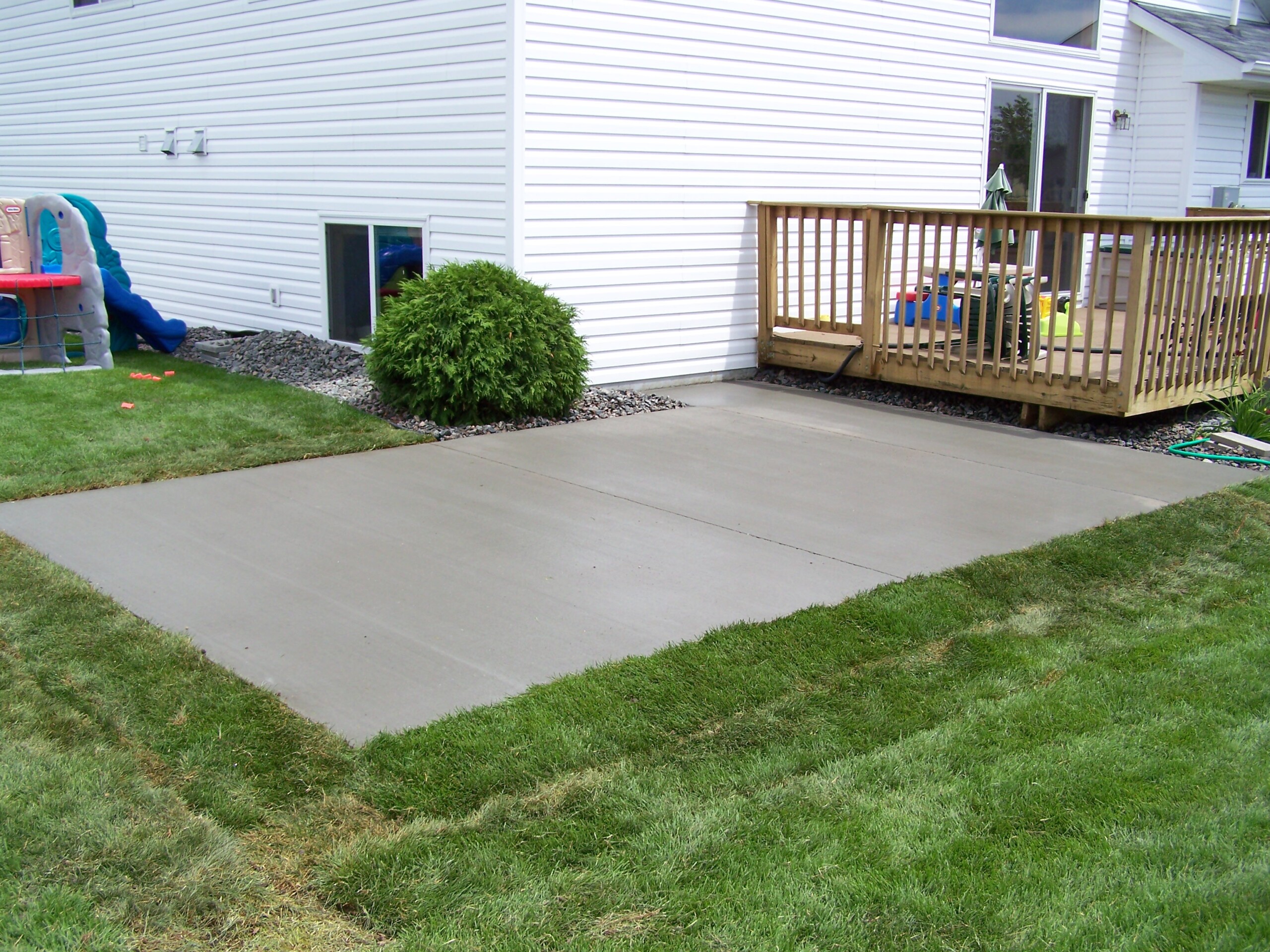
A patio creates usable outdoor space for meals, relaxing, and gatherings, and it can change how the home feels in warmer months. Comfort and drainage should guide the design. Subtle pitch helps water run off without making the surface feel sloped. Layout should match furniture needs and foot traffic, since a patio that feels too small becomes frustrating fast. Connections at doors, steps, and walkways also matter because awkward transitions collect water and reduce usability. When those elements line up, Concrete Installation turns a basic slab into a functional outdoor space that feels like a true extension of the home.
Decorative options and traction choices
Patios offer strong styling flexibility because the surface sits in an outdoor living environment. Stamped finishes can add pattern, borders, and texture that elevate the look while still delivering durability. Color can complement the home and landscape without demanding heavy upkeep. For a classic approach, a broom finish provides traction and a clean appearance that pairs well with many exterior styles. Consistent edges and straight joint lines matter on patios because small defects stand out in open spaces. A thoughtful finish plan keeps the patio comfortable to use and visually consistent across the slab.
Sidewalks, Walkways, and Entry Surfaces
Walkways guide traffic and improve safety, so stable base prep, consistent slope, and traction matter. Uneven panels create trip hazards and make snow removal harder. Smooth transitions at stoops, steps, and landings also help the entry feel safer and more intentional. Drainage plays a role here as well because pooling on a walkway creates ice in winter and stains in warmer months. When panels have shifted, joints have widened, or settlement has created repeated low spots, replacement often becomes the most reliable fix. With a clean rebuild, Concrete Installation restores safe movement and improves curb appeal at the same time.
Landings and step transitions
Entry landings should feel level and stable, while steps need consistent rise and run for comfort and safety. Water management near doors matters because puddles at thresholds become ice risks and can push moisture toward the home. Planning those transitions early produces cleaner connections and fewer maintenance issues later. When entry surfaces drain correctly and sit on a stable base, the approach to the home feels more finished and dependable.
Foundations and Structural Concrete
Structural concrete requires careful planning because it supports the home itself. Crews need accurate excavation, stable forms, and correct reinforcement placement to hit the design intent. Moisture management also matters since saturated soils move more and add stress over time. Grading and drainage limit soil saturation around foundations, which helps improve long-term stability. Garage slabs and structural pads also benefit from load planning, joint layout, and careful curing so the surface resists cracking and early wear.
Moisture control and perimeter drainage
Good foundations start with water control around the structure. Crews shape grades to move water away from the wall and prevent saturation against the foundation. Drainage systems can also reduce water pressure and protect surrounding soils. When the perimeter stays drier, the structure experiences less movement and fewer long-term stress issues. Those steps support better performance for both the foundation and adjacent slabs.
What to Expect From a Quality Concrete Installation Process
Planning and site preparation
A quality process begins with clear measurements and a layout that supports drainage. Crews confirm grade, runoff paths, and elevations at doors and garage transitions. Replacement projects include clean demolition and haul-off, plus protection for nearby structures and landscaping. After that, base material goes in and gets compacted to reduce settlement risk. Forms lock in slope and edges, and reinforcement follows when the design calls for it. That preparation work sets the foundation for a cleaner pour and a longer-lasting slab.
Placement, finishing, and curing
During placement, crews consolidate and level the concrete to reduce voids and maintain consistent thickness. Finishing happens at the right time to protect surface strength and create the intended texture. Joints get placed or cut to guide shrinkage and control cracking. Curing then protects the slab while it gains strength, which reduces scaling risk and improves durability. When each step stays disciplined, Concrete Installation produces surfaces that look uniform, drain properly, and hold up through harsh seasons.
If your driveway, patio, sidewalk, or slab has reached the end of its useful life, Northland Landscape & Construction Inc can help with Concrete Installation and replacement work that restores function, safety, and appearance. From base preparation and drainage planning to finishing and curing, the right process makes a major difference in long-term performance. Contact Northland Landscape & Construction Inc today to discuss your concrete project and get started.
CONCRETE GALLERY