General Landscaping | Softscape & Hardscape
Northland Landscape & Construction Inc provides General Landscaping services that improve the look, function, and first impression of a property. It includes many outdoor improvements that help a home or business feel cleaner, more organized, and more inviting from the street. Whether the goal is to refresh existing beds, fix rough areas in the yard, or build out an entirely new landscape plan, the right materials can make a major difference in curb appeal.
People notice the outside of a property before anything else. That first impression often shapes how they view the entire home or building. Clean edging, fresh mulch or rock, healthy lawn areas, and well-planned landscape features help the property feel cared for and complete. General Landscaping can also add value by making the exterior more attractive to visitors, customers, and future buyers.
General Landscaping can include both softscape and hardscape features. Softscape covers the living and growing parts of the yard, such as sod, black dirt, plants, and mulch. Hardscape includes the structural materials that define the space, such as edging, decorative rock, and boulders. When these elements work together, they create an outdoor space that looks sharper and functions better over time.
What General Landscaping Includes
General Landscaping covers a wide range of outdoor improvements. Some projects focus on simple curb appeal updates. Others involve reshaping larger areas of the property. Common materials include edging, weed barrier fabric, mulch, decorative rock, black dirt, plants, sod, and boulders. Each material serves a purpose, both visually and functionally.
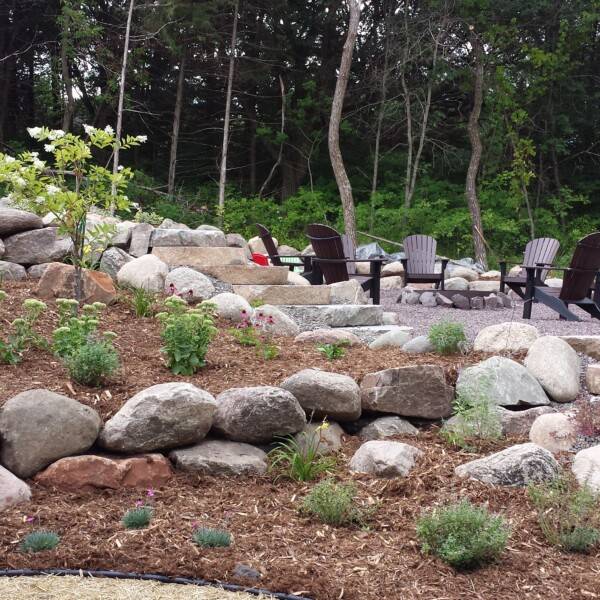
These materials can define beds, improve transitions between lawn and landscape areas, and refresh spaces that have become worn or overgrown. Some help with moisture control. Others help reduce erosion or improve plant performance. Even a modest update can make the property look brighter, more finished, and easier to maintain.
Edging Creates Clean Definition
Edging gives landscape beds a crisp border and helps separate grass from planted areas. Without edging, mulch and rock can spread into the lawn, and the bed can start to lose its shape. A defined edge makes the entire landscape look more intentional.
Common edging materials
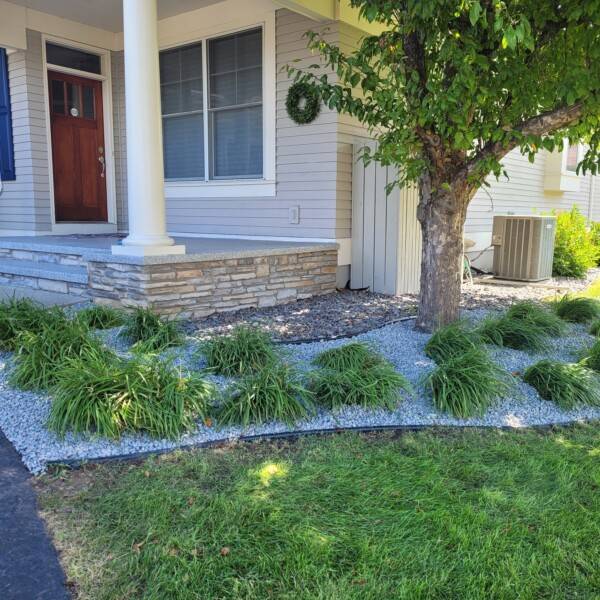
Popular edging options include black plastic edging, brick edging, bullet edgers, concrete edging, and stone edging. Black plastic edging works well for flexible layouts and budget-friendly installs. Brick and stone create a more classic look. Concrete edging offers a more permanent and structured finish.
Why barrier fabric matters
After edging is installed, most beds benefit from a weed barrier underneath. Landscaping fabric or heavy plastic helps reduce weed growth and separates the top material from the soil below. This step does not remove all maintenance, but it does help the bed stay cleaner and more stable over time.
Choosing Between Mulch and Rock
Most landscape beds use either mulch or decorative rock. Both can look great, but they perform differently. The better choice depends on the property, the plant material, and the type of upkeep the owner wants.
Benefits of mulch
Mulch gives beds a softer and more natural appearance. It helps hold moisture in the soil and keeps roots cooler during hot weather. It also reduces erosion and adds organic matter back into the soil as it breaks down. That supports worms and other beneficial organisms that help improve soil health.
Mulch can also suppress some weed growth by blocking sunlight. For many planting beds, it creates a healthier growing environment than rock. The main downside is that mulch breaks down over time and needs to be refreshed every few years to keep the bed looking clean.
Drawbacks of mulch
Mulch can stay wet for several days after heavy rain, especially in shaded areas. That can create conditions that attract pests such as slugs, earwigs, and cutworms. In beds with drainage issues, too much retained moisture can also stress some plants.
Benefits of decorative rock
Rock offers a durable and long-lasting finish. It does not decompose, and it can often last for more than ten years. Many property owners like rock because it stays in place well, handles weather, and rarely needs replacement. It also helps keep soil in place and can reduce erosion in problem areas.
Drawbacks of decorative rock
Rock absorbs heat from the sun and can raise soil temperatures. That extra heat may stress plants and increase watering needs during hot periods. Rock also does not improve soil health. When debris builds up in the bed, cleaning usually takes more time because the rock often needs to be removed or washed by hand.
Softscape Features That Add Life
Softscape includes the living and growing elements of the landscape. These features bring color, texture, and movement to the property. They also help soften the look of harder materials such as stone, edging, and boulders.
Black dirt and soil preparation
Many properties need black dirt before anything else can happen. New construction sites, overgrown lots, and worn lawn areas often have poor or uneven soil. Adding black dirt creates a stronger base for sod, seed, and planting beds. It also helps improve the overall grade and appearance of the yard.
Sod and lawn establishment
Sod gives a property an instant lawn and quick curb appeal. It works well when owners want fast results and a finished look right away. Seed and matting take longer to establish, but they can still create a strong lawn when installed correctly and given enough time to grow. Both options help turn rough ground into a cleaner and more usable yard.
Plants and bed fillers
Plants help complete the landscape by adding color, shape, and height. They can soften the look of a new bed and make the property feel more established. In many cases, the surrounding materials matter just as much as the plants themselves. Fresh mulch, clean edging, and good soil preparation help support healthy growth and keep the whole area looking maintained.
Hardscape Features That Add Structure
Hardscape brings order and definition to the landscape. These materials do not just improve appearance. They also help hold the design together and make the space easier to maintain.
Decorative rock and boulders
Decorative rock gives beds a clean, durable finish. Boulders can create focal points and add visual weight to a design. These materials work especially well in areas where owners want a stronger structure or a lower-maintenance layout.
Defined borders and transitions
Hardscape features also help create better transitions across the property. Clean edges between lawn and bed areas make mowing easier and improve the overall look of the yard. Those details may seem small, but they often have a major effect on how polished the final landscape feels.
General Landscaping Can Fix Rough or Unfinished Areas
General Landscaping is not only for decorative beds. It also helps correct rough, bare, or poorly graded areas around the property. That matters on newly developed lots, around additions, and in parts of the yard that no longer grow well.
Some areas need reshaping before landscaping materials go in. Others need fresh dirt, sod, or seed to rebuild a clean surface. When the ground looks uneven or unfinished, the whole property can feel incomplete. Grading, black dirt, and lawn installation often provide the foundation needed for the rest of the landscape to look right.
Why General Landscaping Improves Curb Appeal
Curb appeal comes from more than one feature. It comes from how the whole exterior works together. A property looks stronger when the beds have clean lines, the lawn looks healthy, and the materials feel consistent from one area to the next.
General Landscaping helps create that finished appearance. It makes homes feel more inviting and businesses look more professional. It also helps buyers and visitors see the property as something that has been cared for. That first impression matters, and the landscape usually shapes it before anything else does.
What a Well-Planned Landscape Can Do
A well-planned landscape improves more than appearance. It can help control erosion, reduce weed pressure, support healthy growth, and make the property easier to maintain. It can also turn rough or empty areas into usable outdoor space that feels intentional instead of neglected.
If your property needs a refresh, Northland Landscape & Construction Inc can help with General Landscaping services tailored to your space, style, and long-term goals. Whether the project includes edging, mulch, rock, black dirt, sod, plants, or boulders, the right combination can transform the exterior. Contact Northland Landscape & Construction Inc today to get started on your landscaping project.
GENERAL LANDSCAPING IMAGE GALLERY